Source Air Compressor FKM Diaphragm for Auto Parts, Industry, Wastewater
Find 30 air compressor fkm diaphragm units from verified suppliers. Compare specifications for engine, transmission, and wastewater applications with OEM support and 1-year warranty options.
Key considerations
Products List


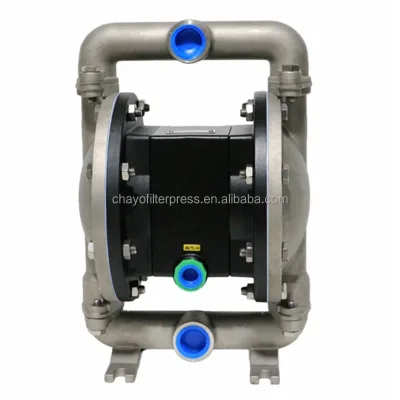


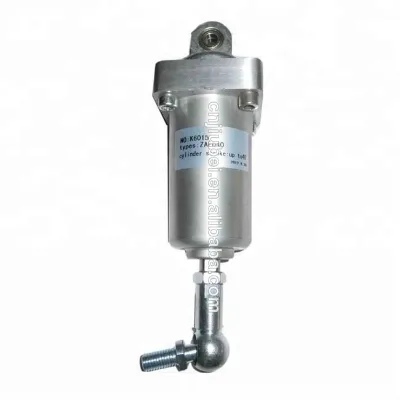


Comprehensive Sourcing Guide
Strategic Sourcing Guide for Air Compressor FKM Diaphragm Systems
The procurement of air compressor FKM diaphragm systems requires a disciplined approach that balances technical performance with supply chain reliability. Buyers searching for this specific component must navigate a complex landscape where material compatibility, pressure ratings, and application-specific demands intersect. The core keyword "air compressor FKM diaphragm" points to a specialized subset of pneumatic diaphragm pumps and compressor components where Fluorocarbon (FKM) rubber is utilized for its superior chemical resistance and thermal stability. This guide synthesizes observed market data and technical requirements to provide a framework for evaluating potential suppliers and products without relying on unverified claims or specific vendor recommendations.
Technical Specifications and Material Compatibility
When evaluating air compressor diaphragm systems, the primary technical differentiator is the diaphragm material. FKM, commonly known as Viton, offers distinct advantages over other elastomers like EPDM or Nitrile, particularly in environments involving aggressive chemicals, high temperatures, or ozone exposure. The observed market data indicates that suppliers often offer diaphragm pumps constructed from various materials, including stainless steel, aluminum alloy, cast steel, and polypropylene. While the core keyword specifies FKM, the structural housing often varies based on the intended application.
Buyers must verify the specific model numbers and structural configurations available. For instance, observed listings include models such as FRD-3 and 88290022-270, alongside specific pump models like BA25SS-S991-A. These identifiers are critical for ensuring that the FKM diaphragm is compatible with the pump's internal geometry. The displacement per cycle is a key performance metric; observed data suggests a displacement of 0.87 liters for certain configurations, which directly impacts the flow rate and pressure generation capabilities.
The pressure ratings are equally critical. The market data highlights a maximum air inlet pressure of 0.83 MPa and a system pressure of 8.3 Bar. These figures represent the operational limits that the FKM diaphragm must withstand without fatigue or failure. Additionally, the maximum head of delivery can reach up to 60 meters, and the maximum dry suction is noted at 6.7 meters. These parameters define the pump's ability to move fluids against resistance and lift. Buyers should confirm that the FKM diaphragm is rated for these specific pressure cycles, as repeated compression and decompression can lead to material degradation if the elastomer is not properly compounded for the application.
Compliance, Certification, and Standard Verification
In the industrial sector, compliance is not merely a formality but a prerequisite for operational safety and legal adherence. The provided data references "Standard" and "Standard Component" classifications, yet these terms are generic and do not substitute for specific international certifications. Buyers must actively verify that the FKM diaphragm systems comply with relevant industry standards for air compressors and fluid handling equipment.
The origin of the products is frequently listed as China, with specific manufacturing hubs in Guangdong. While this provides context for the supply chain, it necessitates rigorous due diligence regarding the manufacturing standards employed. The data mentions "All size" and "Normal" standards, but these are descriptive rather than prescriptive. Procurement teams should request documentation proving compliance with standards such as ISO 9001 for quality management or specific material safety data sheets (MSDS) for the FKM compound used.
Furthermore, the "Explosion-proof" capability mentioned in the application data is a critical compliance area. If the air compressor diaphragm is intended for use in hazardous environments where flammable gases or dust are present, the equipment must meet specific explosion-proof certifications. Buyers should not assume that a standard FKM diaphragm pump meets these requirements without explicit verification from the supplier. The presence of "Standard Component" labels does not guarantee adherence to ATEX, IECEx, or other regional explosion-proof standards. Therefore, the verification process must include a request for valid certificates from accredited third-party testing laboratories.
Cost Drivers and Pricing Dynamics
The pricing for air compressor FKM diaphragm systems is influenced by a multitude of factors, ranging from raw material costs to customization levels. The observed price range in the market is extensive, spanning from $0.17 to $150,000. This vast disparity indicates that the market includes everything from small replacement diaphragms to complete, heavy-duty industrial pump systems. The lower end of the spectrum likely represents individual components or smaller units, while the higher end reflects complex, custom-engineered solutions with high flow rates and specialized materials.
A significant cost driver is the level of customization. The data confirms that customization is available, with options for OEM (Original Equipment Manufacturer) and ODM (Original Design Manufacturer) services. Customizing the diaphragm material, porting size, or housing material to fit a specific application will invariably increase the unit cost. The "MOQ" (Minimum Order Quantity) also plays a pivotal role in pricing. Observed MOQs range from 1 PC to 3000 units. Buyers ordering small quantities, such as a single unit for testing or emergency replacement, may face a higher per-unit cost compared to bulk purchasers.
The supply ability, noted as 500 sets per month for certain configurations, suggests that production capacity can be a limiting factor. High-demand periods or complex custom orders may lead to price premiums due to expedited production or limited availability. Additionally, the packaging details, which vary between paper boxes for smaller pumps and wooden boxes for larger units, contribute to the overall cost. Buyers should consider the total cost of ownership, including shipping and packaging, rather than focusing solely on the unit price.
Typical Applications and Operational Environments
The versatility of air compressor FKM diaphragm systems is evident in the wide range of applications listed. These systems are deployed in commercial buildings, wastewater transport, flood control, and wastewater treatment facilities. The specific mention of "sludge," "chemical pump," "alcohol pump," and "dust pump" highlights the robustness required for these environments. FKM diaphragms are particularly suited for handling aggressive chemicals, alcohols, and abrasive slurries where standard rubber diaphragms would degrade rapidly.
The data also points to applications in air-operated pumps and pneumatic diaphragm pumps, which are essential for transferring fluids without electrical motors, thereby reducing the risk of sparks in hazardous areas. The maximum particle size tolerance of 3 mm is a crucial specification for applications involving sludge or wastewater with suspended solids. If the fluid contains particles larger than this threshold, the FKM diaphragm and the pump's internal valves may suffer premature wear or blockage.
Furthermore, the power source is consistently identified as pneumatic, meaning the system relies on compressed air to operate. This is a significant advantage in environments where electrical power is unreliable or where intrinsic safety is required. The horsepower rating of 6 Bar and the max flow rate of 192 liters per minute indicate that these systems are capable of handling substantial volumes, making them suitable for industrial-scale operations. Buyers must match the specific application requirements, such as fluid viscosity and temperature, with the pump's performance curves to ensure optimal efficiency.
Supplier Evaluation and Quality Assurance
Evaluating suppliers for air compressor FKM diaphragm systems requires a focus on their ability to deliver consistent quality and technical support. The data indicates that suppliers offer "2D or 3D Acceptable" drawings, which is a positive sign of technical capability and flexibility. Buyers should request detailed technical drawings to verify that the FKM diaphragm dimensions and mounting interfaces match their existing equipment.
The warranty period is another critical factor in supplier evaluation. The observed warranty is typically 1 year, which serves as a baseline expectation. However, buyers should negotiate terms that reflect the critical nature of the application. A supplier that offers a robust warranty and responsive after-sales support is often a better long-term partner than one offering a lower price with limited support. The "Service" attribute, listing OEM or ODM capabilities, suggests that the supplier is willing to collaborate on design improvements, which can be invaluable for custom applications.
Quality control measures should be a central part of the supplier assessment. Buyers should inquire about the testing protocols used for the FKM diaphragms, including pressure cycling tests and chemical resistance evaluations. The "Supply Ability" of 500 sets per month suggests a mid-sized production capacity, but buyers must verify if this capacity can be scaled up to meet sudden demand spikes. Additionally, the delivery time of 7-15 days is a standard expectation, but buyers should confirm if this timeline holds for custom orders or during peak seasons.
Long-Term Procurement Considerations
Sourcing air compressor FKM diaphragm systems is not a one-time transaction but a long-term relationship that impacts operational continuity. The "Customized" nature of many products means that buyers should establish clear specifications and documentation to ensure future compatibility. If a pump fails or requires replacement, the ability to source an exact match or a compatible upgrade is essential. The "Packaging Details" indicate that different sizes use different packaging, which can affect storage and logistics over time.
Buyers should also consider the lifecycle of the FKM diaphragm. While FKM is durable, it is not indestructible. Understanding the expected service life under specific operating conditions is vital for budgeting replacement parts. The "Max. air inlet pressure" and "Max. flow rate" should be monitored to ensure the pump is not being operated beyond its design limits, which could shorten the diaphragm's lifespan.
Finally, the "Place of Origin" being Guangdong, China, implies a specific supply chain dynamic. Buyers should be aware of potential logistics challenges, such as shipping delays or customs regulations, and factor these into their procurement planning. Establishing a reliable inventory buffer or a just-in-time delivery agreement can mitigate these risks. By focusing on technical compatibility, verified compliance, and a robust supplier relationship, buyers can secure a steady supply of high-performance air compressor FKM diaphragm systems that meet their operational needs.
Comparative Analysis of Key Product Attributes
To assist in the decision-making process, the following table summarizes the key attributes observed in the market for air compressor FKM diaphragm systems. This comparison highlights the variability in specifications and helps buyers identify the most relevant features for their specific needs.
| Attribute | Observed Range / Options | Relevance to Procurement |
|---|---|---|
| Material | Stainless Steel, Aluminum Alloy, Cast Steel, Polypropylene | Determines chemical compatibility and durability. |
| Diaphragm Type | FKM (Fluorocarbon), PP, Plastic, Air Diaphragm | Critical for chemical resistance and temperature tolerance. |
| Pressure Rating | 8.3 Bar (Max), 0.83 MPa (Air Inlet) | Defines operational limits and safety margins. |
| Flow Rate | Up to 192 LPM | Determines throughput capacity for the application. |
| Displacement | 0.87 L per cycle | Affects pump efficiency and cycle frequency. |
| Max. Particle Size | 3 mm | Limits suitability for sludge or abrasive fluids. |
| Warranty | 1 Year | Indicates manufacturer confidence and support terms. |
| MOQ | 1 PC to 3000 Units | Influences initial investment and inventory strategy. |
| Delivery Time | 7-15 Days | Impacts lead time and project scheduling. |
| Customization | OEM, ODM, Customized Support | Essential for non-standard applications. |
This structured approach ensures that buyers can systematically evaluate potential suppliers and products, focusing on the specific technical and operational requirements of their air compressor FKM diaphragm systems. By adhering to these guidelines, procurement teams can minimize risk and maximize the value of their investments in industrial fluid handling equipment.
FAQs
What is the maximum air inlet pressure for this pump?
The maximum air inlet pressure is 0.83 MPa. This rating ensures the FKM diaphragm can withstand operational cycles without failure in standard pneumatic applications.
Can the diaphragm pump handle chemical fluids?
Yes, the pump supports chemical, alcohol, and sludge applications. The FKM material provides superior resistance against aggressive chemicals compared to standard elastomers.
What is the minimum order quantity for these pumps?
The minimum order quantity is 1 PC. Buyers can order single units for testing or emergency replacement without needing to meet bulk purchase thresholds.
How long is the delivery time for these units?
The standard delivery time ranges from 7 to 15 days. This timeline applies to standard configurations and may vary for highly customized OEM or ODM orders.
Which materials are used for the pump housing?
Housing materials include stainless steel, aluminum alloy, and cast iron. The specific material depends on the model number and the intended application environment.
What is the maximum flow rate of the system?
The maximum flow rate is 192 liters per minute. This capacity supports industrial-scale operations requiring high-volume fluid transfer in wastewater or flood control.